
Color or Colour is one of the most common spelling questions in English. Many people wonder which version is correct. The simple answer is that both spellings are correct. The difference depends on where you live or who you write for. Color is the standard spelling in American English. Colour is the preferred spelling in British English and many other countries. Both words have the same meaning. They describe the appearance of something based on light. Knowing the right spelling helps you write clearly. It also makes your content look professional. This guide explains the difference in simple words. You will also learn when to use each spelling, common mistakes, real-life examples, and helpful writing tips.
Quick Summary
- Color is the American English spelling.
- Colour is the British English spelling.
- Both words have the same meaning.
- Choose one spelling based on your audience.
- Stay consistent throughout your writing.
- Neither spelling is more correct than the other.
What Does Color or Colour Mean?
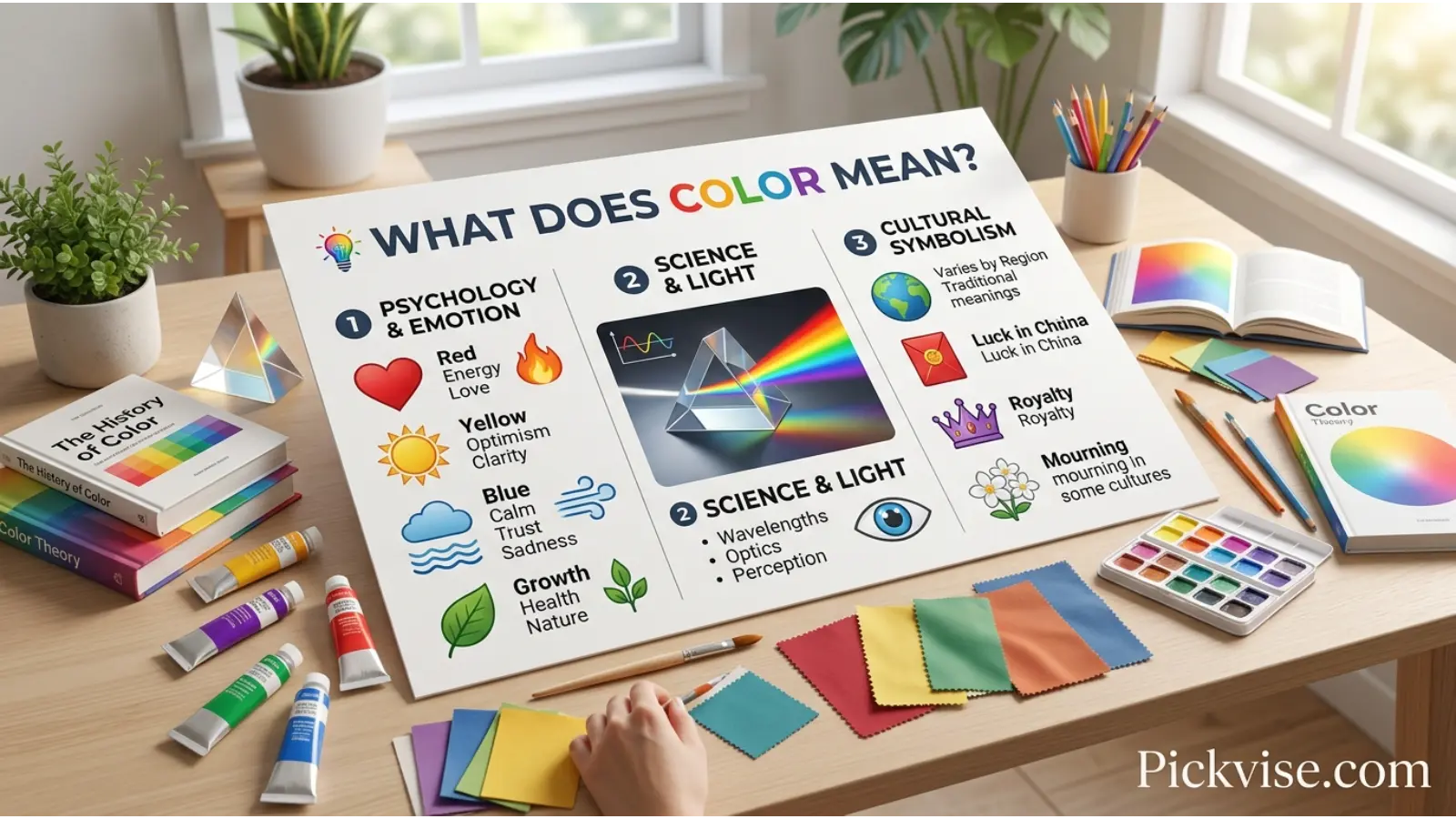
Color or Colour refers to the appearance of something based on the light it reflects.
Simple Definition
A color is what your eyes see when light reflects from an object.
Examples
- The sky is blue.
- She wore a red dress.
- My favorite color is green.
- His room has bright colours.
No matter which spelling you use, the meaning stays the same.
Why Are There Two Spellings?
The difference comes from the history of English.
British English kept the spelling colour. American English later simplified many words by removing the letter u. This change became popular through American dictionaries and schools.
Today:
- American English → Color
- British English → Colour
Both spellings remain correct.
Color vs Colour Comparison Table
| Feature | Color | Colour |
|---|---|---|
| English Type | American English | British English |
| Correct? | Yes | Yes |
| Meaning | Same | Same |
| Used in USA | Yes | Rare |
| Used in UK | Rare | Yes |
| Used in Canada | Mostly Colour | Yes |
| Used in Australia | Rare | Yes |
| Used in New Zealand | Rare | Yes |
When Should You Use Color?
Use color when writing for an American audience.
It appears in:
- American schools
- US newspapers
- American websites
- US businesses
- American books
Examples
- What is your favorite color?
- The company changed its logo color.
- The leaves changed color in autumn.
When Should You Use Colour?

Use colour when writing for readers in:
- United Kingdom
- Australia
- Canada (mostly)
- New Zealand
- Ireland
- Many Commonwealth countries
Examples
- My favourite colour is blue.
- The walls need a fresh colour.
- She loves bright colours.
Real-Life Examples
Here are common situations.
Example 1: Blogging
A blog for US readers should use color.
A blog for UK readers should use colour.
Example 2: School
American students write:
My favorite color is red.
British students write:
My favourite colour is red.
Example 3: Business
A US company uses:
Choose your favorite color.
A UK company uses:
Choose your favourite colour.
Common Mistakes
Many writers make these simple mistakes.
Mixing Both Spellings
❌ The color of the car matches its favourite colour.
✔ Use only one style throughout the article.
Choosing the Wrong Audience
Writing for American readers?
Use color.
Writing for British readers?
Use colour.
Ignoring Style Guides
Many companies follow a style guide. Always match the required spelling.
Tips to Remember
These easy tricks help you remember.
- Color has no U because American English often removes extra letters.
- Colour keeps the U because British English preserves older spellings.
- Match your spelling to your audience.
- Stay consistent from beginning to end.
Color or Colour in Daily Life
You see this word every day.
Examples include:
- Paint colors
- Traffic lights
- Clothing
- Nature
- Photography
- Graphic design
- Interior decoration
- Art
- Fashion
- Marketing
People use either spelling depending on their country.
Related Words and Similar Spellings
Many English words follow the same pattern.
| American English | British English |
|---|---|
| Color | Colour |
| Favorite | Favourite |
| Honor | Honour |
| Neighbor | Neighbour |
| Flavor | Flavour |
| Labor | Labour |
| Behavior | Behaviour |
Learning these patterns makes writing easier.
Synonyms
Synonyms
- Hue
- Shade
- Tint
- Tone
- Pigment
- Dye
- Appearance
Expert Insights
Professional writers choose spelling based on their readers.
Search engines understand both spellings. Google does not treat one as better than the other. However, consistency improves user experience and trust.
If your website targets the United States, use color everywhere.
If your audience is in the United Kingdom, Australia, or Canada, use colour.
A consistent writing style also strengthens your brand identity.
Featured Snippet Answer
Is it color or colour?
Both spellings are correct. Color is the American English spelling. Colour is the British English spelling. They have the same meaning. Use the version that matches your audience and stay consistent throughout your writing.
Frequently Asked Questions
Is color correct?
Yes. Color is the correct spelling in American English.
Is colour correct?
Yes. Colour is the correct spelling in British English.
Which spelling should I use?
Choose the spelling your audience expects.
Does Google prefer color or colour?
No. Google recognizes both spellings. Relevance and content quality matter more.
Is the meaning different?
No. Both words have exactly the same meaning.
Why does British English use “u”?
British English keeps the traditional spelling that came from older forms of the language.
Can I use both spellings in one article?
It is better not to. Pick one spelling and use it consistently.
Which spelling should international websites use?
Use the spelling that matches your primary audience or your brand style guide.
Conclusion
Color or Colour is not a question of right or wrong. Both spellings are correct and widely accepted. The only difference is the version of English you use. Color belongs to American English, while Colour belongs to British English and many Commonwealth countries.
The best choice depends on your audience. If you write for American readers, use color. If your audience is in the UK, Australia, or Canada, use colour. Most importantly, stay consistent throughout your writing. A clear and consistent style improves readability, builds trust, and creates a better experience for your readers.