Many people search for Ensurance or Insurance because both words look similar. However, they do not mean the same thing in modern English. One word is common in everyday life, while the other is rare and outdated. Knowing the difference helps you write and speak correctly. It also prevents mistakes in school, business, and legal documents. In this guide, you will learn the meaning of both words in simple English. You will also see examples, a comparison table, common mistakes, and useful tips. By the end, you will know exactly when to use insurance and why ensurance is almost never the right choice.
Quick Summary
- Insurance is the correct and commonly used word.
- Ensurance is an old and rare English word.
- Insurance means protection against financial loss.
- People buy insurance for cars, homes, health, and life.
- Use insurance in writing, business, and everyday conversations.
- Avoid using ensurance unless discussing historical or literary texts.
What Does Ensurance or Insurance Mean?
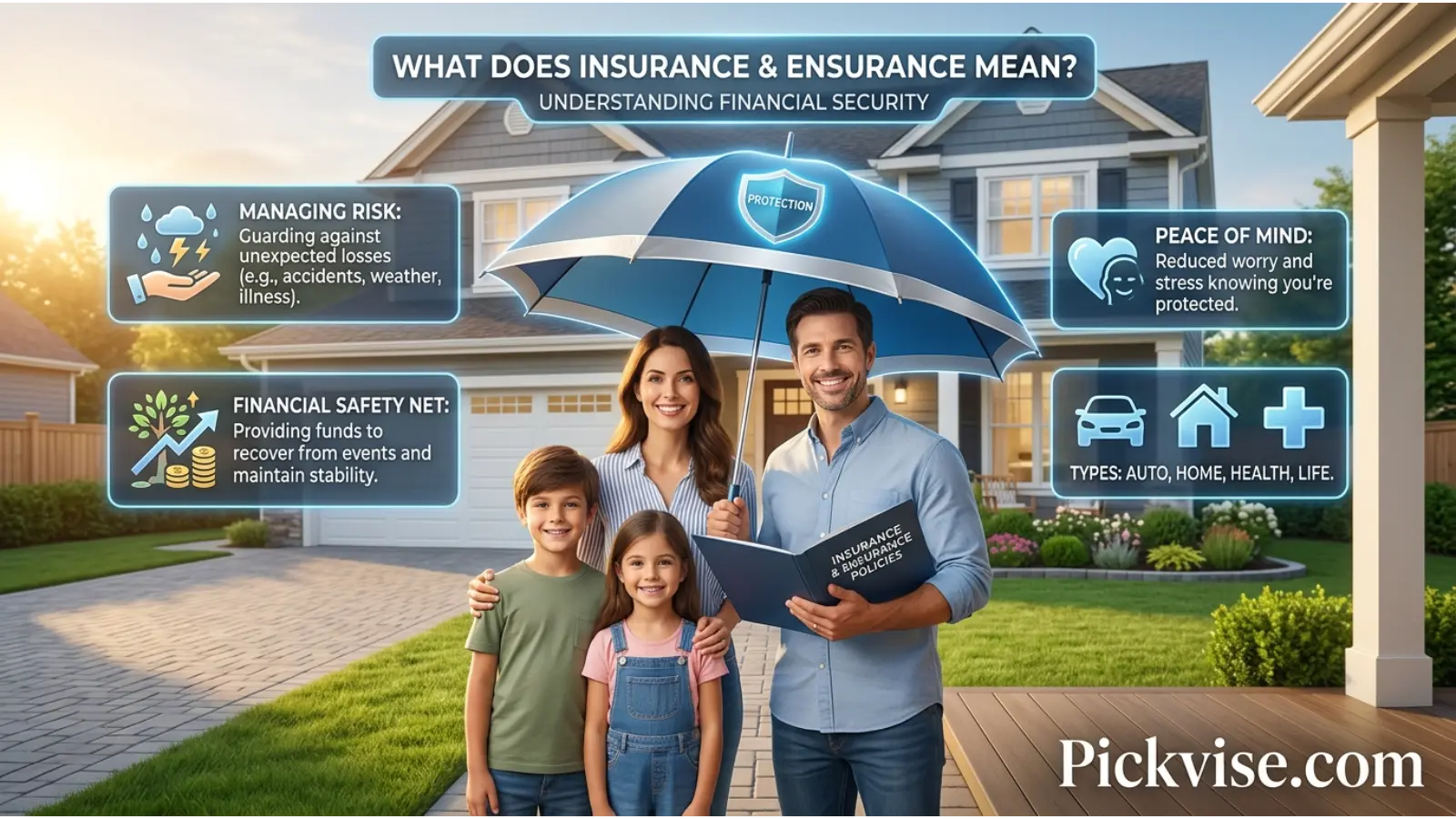
Although they look alike, these words have different levels of usage.
- Insurance means financial protection against loss or damage.
- Ensurance means the act of making something certain or ensuring something. It is now considered archaic or very uncommon.
Today, almost every situation requires insurance, not ensurance.
Is Insurance the Correct Word?
Yes.
Insurance is the standard English word used worldwide. It appears in dictionaries, legal documents, business contracts, and everyday conversations.
Examples include:
- Health insurance
- Car insurance
- Travel insurance
- Home insurance
- Life insurance
Whenever someone talks about protection from financial risk, the correct word is insurance.
What Is Ensurance?
Ensurance is an old English noun formed from the verb ensure.
It means:
The act of ensuring or making something certain.
However, modern English almost never uses it.
Instead, people say:
- assurance
- guarantee
- certainty
- ensuring
For this reason, you should avoid using ensurance in normal writing.
Ensurance vs Insurance Comparison Table
| Feature | Ensurance | Insurance |
|---|---|---|
| Modern English | Rare | Common |
| Meaning | Making something certain | Financial protection |
| Everyday use | Almost never | Very common |
| Found in legal policies | No | Yes |
| Used in business | Rare | Yes |
| Recommended today | No | Yes |
Why Do People Confuse Ensurance and Insurance?
There are several reasons.
Similar spelling
Both words begin with “ins” and end with “ance.”
Similar pronunciation
Many speakers pronounce them similarly.
Related verbs
People confuse:
- Ensure
- Insure
- Assurance
- Insurance
- Ensurance
These related words make the confusion understandable.
Real-Life Examples
Correct
1. I renewed my car insurance.
2. She bought health insurance.
3. Travel insurance saved us thousands of dollars.
4. Life insurance protects your family.
Incorrect
✘ I bought car ensurance.
✘ My health ensurance covers hospital bills.
Both sentences should use insurance.
Insurance in Daily Life

Insurance protects people from unexpected expenses.
Common types include:
- Health insurance
- Auto insurance
- Home insurance
- Travel insurance
- Life insurance
- Business insurance
- Pet insurance
Millions of people purchase insurance every year to reduce financial risk.
Common Mistakes
Many writers make these errors.
Mistake 1
Using ensurance instead of insurance
❌ Wrong:
I purchased home ensurance.
✅ Correct:
I purchased home insurance.
Mistake 2
Thinking both words are interchangeable
They are not.
Insurance is modern and correct.
Ensurance is outdated.
Mistake 3
Confusing ensure and insure
Remember:
- Ensure = make certain
- Insure = provide financial protection
Simple Trick to Remember
Think about money.
If the sentence talks about money, risk, accidents, or protection, use:
✅ Insurance
If you are talking about making something certain, use:
✅ Ensure (verb)
Not ensurance.
Synonyms
Insurance
- Coverage
- Protection
- Policy
- Financial security
- Indemnity
- Risk protection
Ensurance vs Insurance: Which Should You Use?
Choose insurance in nearly every situation.
Use it for:
- School writing
- Business
- Banking
- Legal documents
- Blogs
- Websites
- Emails
- News articles
Only use ensurance if you are discussing historical English or quoting old texts.
Expert Insight
Professional writers, editors, and dictionaries strongly prefer insurance.
Modern English has replaced ensurance with clearer words such as:
- assurance
- guarantee
- certainty
Using the correct word improves your writing and builds credibility. It also helps readers understand your message without confusion.
Frequently Asked Questions
Is ensurance a real word?
Yes. It is a real but outdated English word.
Which is correct, ensurance or insurance?
Insurance is correct for modern English.
Why is ensurance rarely used?
Modern English replaced it with more common words like assurance and ensuring.
Can I use ensurance in formal writing?
It is better not to. Use insurance or assurance depending on the meaning.
What does insurance mean?
Insurance is financial protection against loss, damage, illness, or accidents.
Is insurance a noun?
Yes.
Insurance is a noun.
Example:
She purchased travel insurance.
What is the difference between ensure and insure?
Ensure means make certain.
Insure means provide financial protection.
Common Sentences Using Insurance
- I have health insurance.
- They renewed their home insurance.
- Travel insurance is worth buying.
- My insurance policy covers accidents.
- Insurance helps reduce financial risk.
- Every driver needs car insurance.
- Business insurance protects companies.
- Life insurance supports loved ones.
Conclusion
Many people wonder whether Ensurance or Insurance is the correct word. The answer is simple. Insurance is the modern, accepted term used for financial protection against risks such as accidents, illness, theft, or property damage. Ensurance is an old word that is rarely used in today’s English. In most situations, you should choose insurance because it is clear, accurate, and widely understood. Remember that ensure is the correct verb when you mean “make certain,” while insure relates to financial protection. Learning this difference will improve your writing, help you avoid common mistakes, and make your communication more professional.