
Careing or Caring is a common spelling question that many English learners ask. People often wonder which version is correct and when to use it. The answer is simple, but understanding the rule can help you avoid writing mistakes.
English spelling rules can sometimes feel confusing. Many words change when adding endings like “-ing.” Because of this, writers often become unsure about the correct spelling.
In this guide, you will learn the difference between careing and caring, the correct meaning, simple grammar rules, examples, common mistakes, and expert writing tips. By the end, you will know exactly which spelling to use in everyday writing, school assignments, emails, and professional communication.
Quick Summary Box
- Correct spelling: Caring
- Incorrect spelling: Careing
- Base word: Care
- Meaning: Showing kindness, concern, and attention
- Rule: Remove the silent “e” before adding “-ing”
- Example: She is caring for her family.
- Remember: Care + ing = Caring
What Does Caring Mean?
The word caring describes a person who shows kindness, concern, love, or support toward others.
A caring person helps people when they need assistance. They pay attention to feelings and try to make life better for others.
Example Sentences
- Sarah is a caring teacher.
- He is caring for his sick grandfather.
- Caring people often build strong relationships.
Is It Careing or Caring?
The correct spelling is caring.
The spelling careing is incorrect in standard English.
Correct
✅ Caring
Incorrect
❌ Careing
English grammar follows a rule where many words ending in silent “e” drop that letter before adding “-ing.”
Examples
| Base Word | Correct Form |
|---|---|
| Care | Caring |
| Make | Making |
| Write | Writing |
| Smile | Smiling |
| Dance | Dancing |
Why Does “Care” Become “Caring”?
The word care ends with a silent “e.”
When adding -ing, the silent “e” is usually removed.
Formula
Care + ing
Remove “e”
Care → Car + ing
Result = Caring
This spelling rule applies to many English verbs.
Caring Meaning in Simple Words
In simple English, caring means:
- Being kind
- Helping others
- Showing concern
- Paying attention
- Supporting people
A caring person thinks about other people’s feelings.
Real-Life Example
Imagine your friend feels sad. You listen to them and offer help. That action shows caring behavior.
Caring as an Adjective
Caring often works as an adjective.
It describes someone’s personality or behavior.
Examples
- She is a caring mother.
- We need caring healthcare workers.
- My neighbor is very caring.
These sentences describe people who show kindness and concern.
Caring as a Verb
Caring can also come from the verb care.
In this form, it describes an action happening now.
Examples
- She is caring for her child.
- They are caring for injured animals.
- We are caring for our garden.
Here, caring means providing attention or support.
Careing vs Caring Comparison Table
| Feature | Careing | Caring |
|---|---|---|
| Correct English Spelling | No | Yes |
| Accepted in Dictionaries | No | Yes |
| Used in Formal Writing | No | Yes |
| Grammar Rule Followed | No | Yes |
| Recommended Usage | Never | Always |
Quick Answer
Always use caring.
Avoid using careing in any type of writing.
Real-Life Examples of Caring

Caring appears in many daily situations.
Family
Parents care for their children every day.
School
Teachers help students learn and grow.
Workplace
Managers support employees and solve problems.
Community
Volunteers help people in need.
Healthcare
Doctors and nurses provide caring treatment.
Common Mistakes People Make
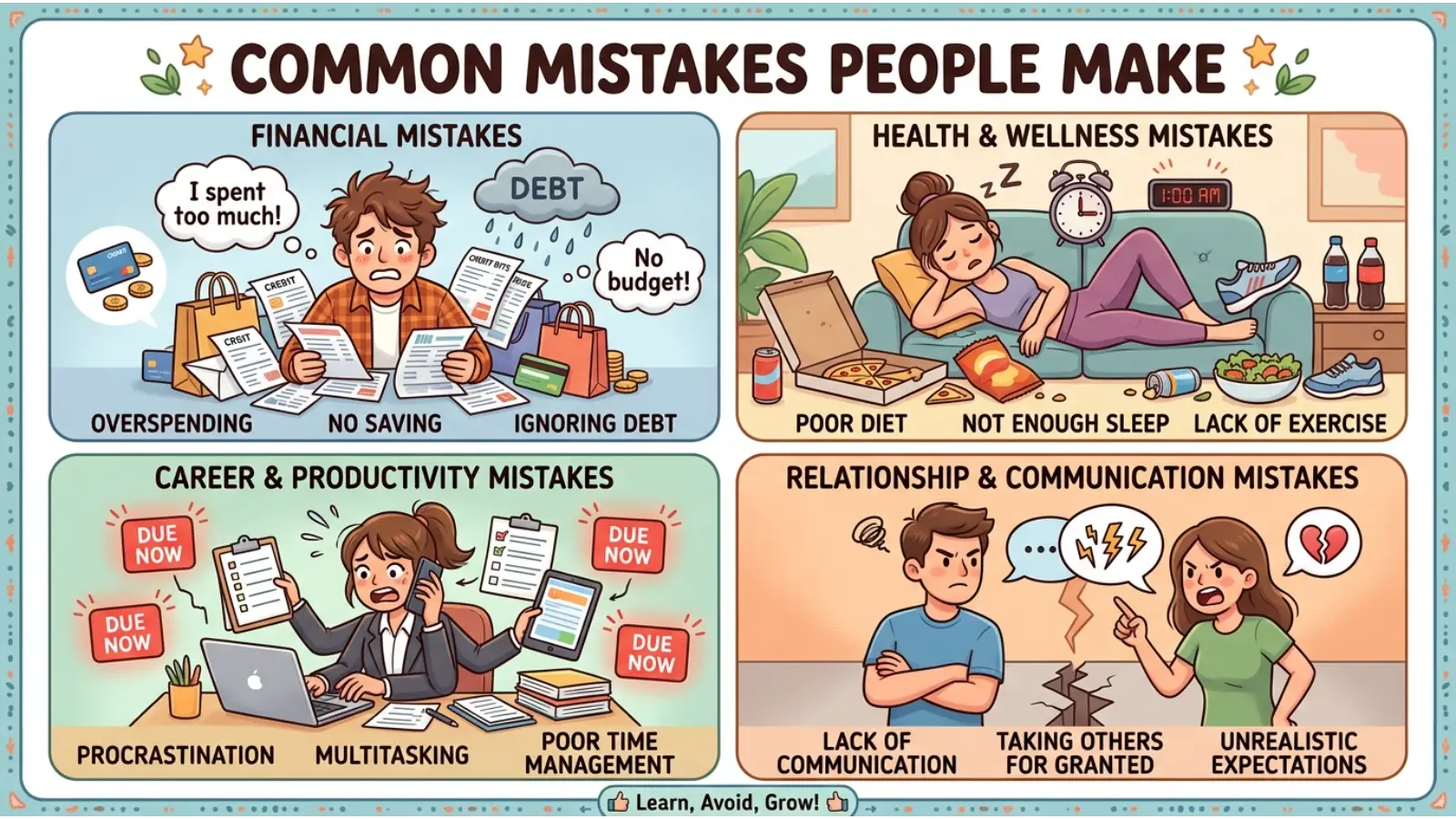
Many writers make simple spelling mistakes with caring.
Mistake 1: Writing Careing
Incorrect:
❌ She is careing for her pet.
Correct:
✅ She is caring for her pet.
Mistake 2: Forgetting the Rule
Some people keep the silent “e” before adding “-ing.”
Remember to remove the silent “e.”
Mistake 3: Auto-Correct Dependence
Do not rely completely on spell-check tools.
Always review your writing.
Tips to Remember the Correct Spelling
These tricks can help you remember.
Tip 1
Think of the word making.
Make becomes making.
Care becomes caring.
Tip 2
Remember the phrase:
“Drop the silent e before adding ing.”
Tip 3
Practice writing caring in sentences.
The more you use it, the easier it becomes.
Synonyms of Caring
Using related words can improve your writing.
Common Synonyms
- Kind
- Compassionate
- Thoughtful
- Helpful
- Supportive
- Loving
- Considerate
- Gentle
- Understanding
- Sympathetic
Example
Instead of saying:
“He is caring.”
You can write:
“He is compassionate and supportive.”
Importance of Caring in Daily Life
Caring helps create stronger relationships.
People trust those who show kindness and concern.
Benefits of caring include:
- Better friendships
- Stronger families
- Improved teamwork
- Greater trust
- Positive communities
Small acts of caring often make a big difference.
Expert Insights on Caring
Language experts agree that correct spelling improves communication.
Using caring instead of careing makes your writing look professional and trustworthy.
Personal development experts also highlight the value of caring behavior. Caring people often build healthier relationships and stronger social connections.
Expert Tip
When adding “-ing” to a verb ending in silent “e,” check whether the “e” should be removed.
This simple habit prevents many spelling errors.
Frequently Asked Questions (FAQs)
1. Is careing a real word?
No. Careing is not the correct spelling in standard English.
2. Which spelling is correct: careing or caring?
Caring is the correct spelling.
3. Why is the letter “e” removed?
English grammar usually drops a silent “e” before adding “-ing.”
4. What does caring mean?
Caring means showing kindness, concern, and support.
5. Can caring be used as an adjective?
Yes. It can describe a kind and supportive person.
6. Can caring be used as a verb?
Yes. It can describe the action of looking after someone.
7. How can I remember the correct spelling?
Remember the rule: drop the silent “e” before adding “-ing.”
8. Is caring important in relationships?
Yes. Caring helps build trust, respect, and emotional connection.
Conclusion
The answer to careing or caring is clear. Caring is the correct spelling, while careing is incorrect. The reason is simple: English grammar usually removes a silent “e” before adding the ending “-ing.” Understanding this rule helps improve your spelling and writing confidence.
Beyond spelling, caring is an important quality in everyday life. It reflects kindness, empathy, and support for others. Whether you are writing an essay, sending an email, or improving your English skills, using the correct form matters.
Remember this simple rule: Care + ing = Caring. Once you learn it, you can avoid mistakes and communicate more clearly in every situation.